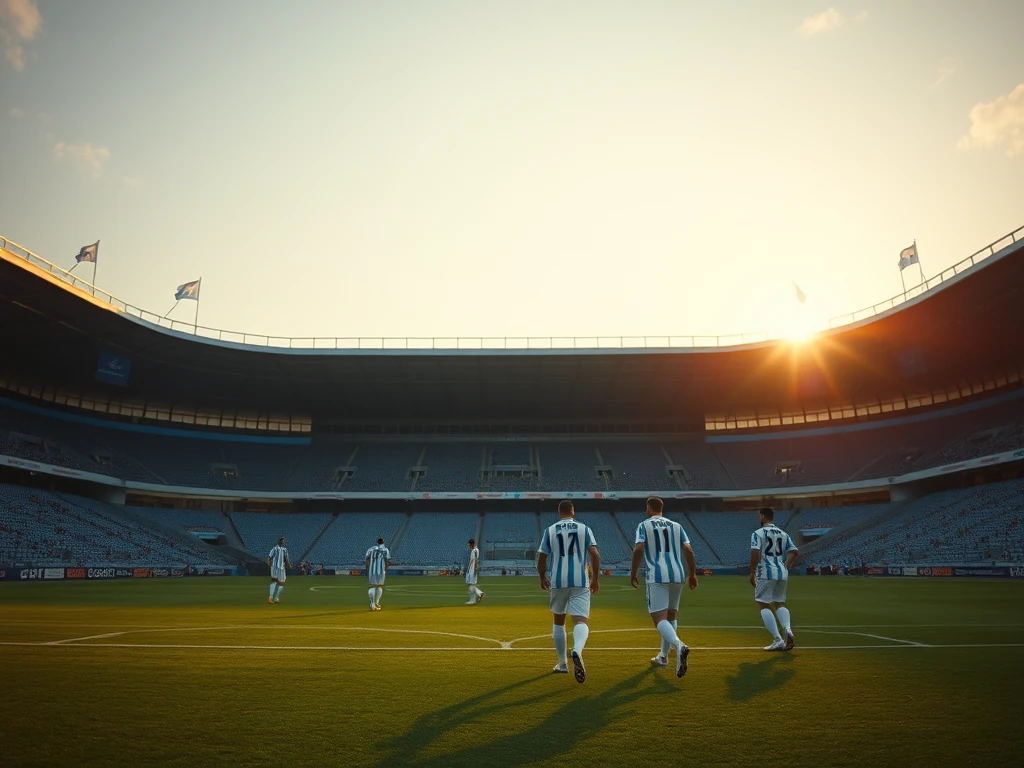
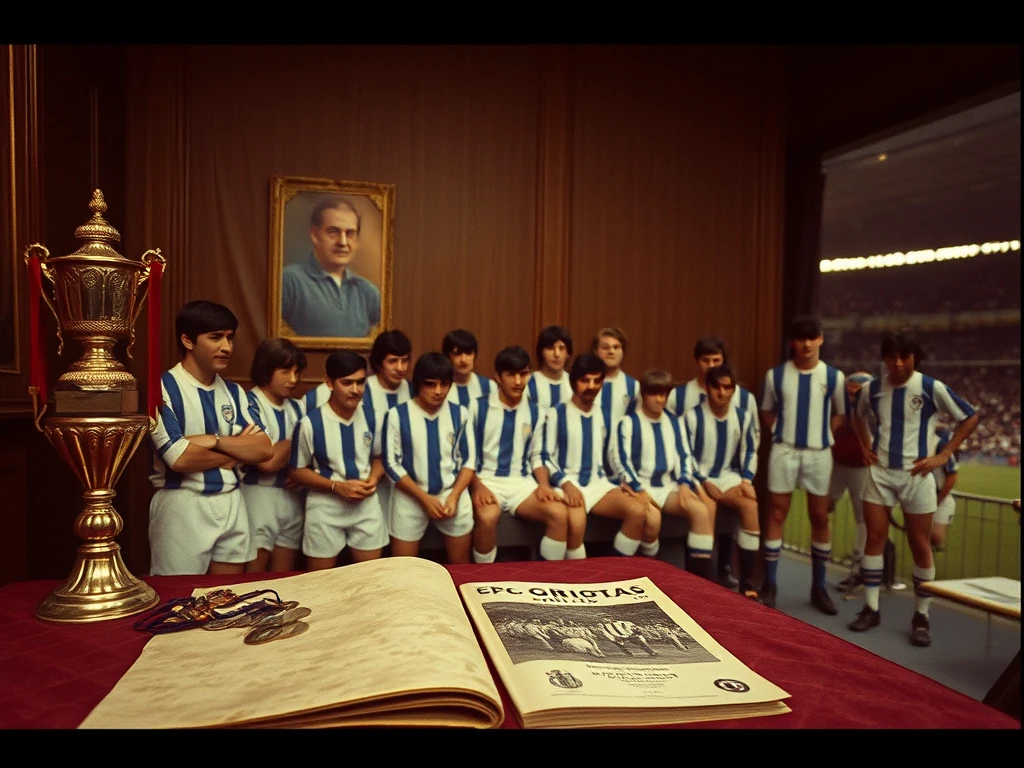
The 1968-69 season was crucial for Real Sociedad, as it not only established them as a serious contender in La Liga but also cultivated an identity that would resonate with future generations. Under the guidance of coach José Antonio Aguirre, the Txuriurdines adopted an offensive approach that combined speed, technique, and solid defense, allowing them to compete with the best teams in the league.
One of the standout moments of this season was the arrival of key players like forward José Mari Bakero and midfielder Jesús María Zamora. Bakero, known for his ability to score crucial goals, quickly became an icon for the fans. Meanwhile, Zamora brought tactical vision that elevated the midfield's level, allowing Real Sociedad to maintain long possessions and control the game's tempo.
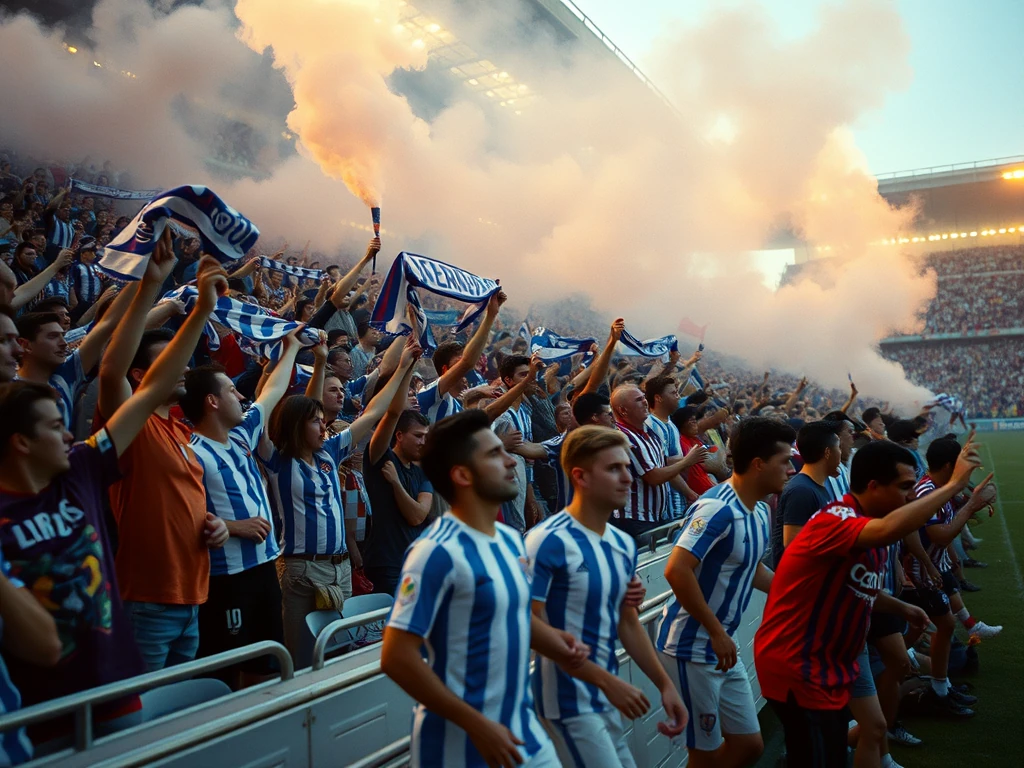
The atmosphere at the old Stadium de Atocha was electrifying. Txuriurdin supporters filled the stands, creating an environment that pushed the players to give their best. Each match turned into a celebration, where the fans not only applauded good play but also came equipped with a repertoire of chants that united everyone in a shared sense of belonging.
Real Sociedad finished the season in a prominent position on the table, solidifying their place among the best teams in Spain. This campaign was more than just a success in terms of points; it represented a shift in mentality, where the club began to be seen as a serious rival in Spanish football, a stigma that still persists today.
Moreover, the connection between the team and its fans grew exponentially, establishing a solid foundation for future generations of players and supporters. The 1968-69 season is remembered not only for the on-field performance but also for how Real Sociedad won the heart of San Sebastián, a legacy that endures to this day.