 Real Sociedad Hub
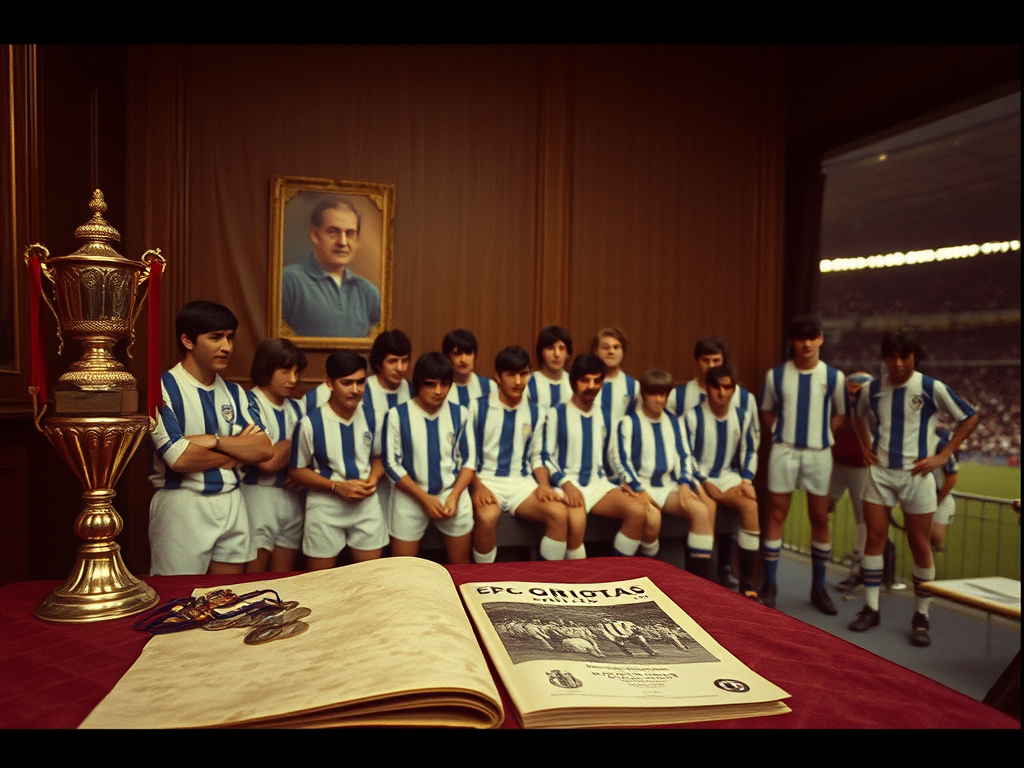
The 1970s was a crucial moment in the history of Real Sociedad de Fútbol, a period that not only marked the beginning of a new style of play but also laid the groundwork for the success that would come in the following years. After a somewhat erratic start to the decade, the arrival of new talents and a change in management would propel the txuriurdines to prominence in Spanish football.
One of the most emblematic names of this period was forward José Antonio Larrañaga, who joined Real in 1971. Larrañaga not only became a prolific goalscorer but also embodied the spirit of a team that was beginning to believe in its potential. Alongside him, players like Jesús María Satrústegui and Oregi contributed their quality and charisma, becoming idols for the club's supporters.
The most significant change occurred in 1975 when Real Sociedad achieved promotion to La Primera División after a long wait of over a decade. This promotion was not merely a return to the elite but the start of a new era. The team, managed by coach José Ángel Iribar, showcased a vibrant and attacking style of play that captivated fans and drew media attention.
Anoeta Stadium became a true fortress, where opposing teams felt intimidated by the atmosphere created by txuriurdin supporters. Home matches were authentic spectacles, and the fans played a crucial role in the team’s success. The connection between players and the crowd was palpable, creating a unique ambiance that propelled Real Sociedad to new heights.
Throughout the second half of the decade, Real continued its progression, establishing itself in La Primera División and achieving a remarkable fifth place in the 1979-80 season. This success was the result of exceptional teamwork, where every player understood their role and contributed to the collective. The coach's tactics and the players' commitment made the team feared in the league.
Real Sociedad was not just becoming a competitive team; it was also building an identity. The club’s philosophy centered on developing local talent, which was reflected in the promotion of young footballers from the academy. This commitment to local talent not only strengthened the squad but also created an emotional bond with fans who felt represented on the pitch.
Looking back, the 1970s represents not only a period of success in terms of results but also of evolution and growth. Real Sociedad, with its attractive style of play and community connection, laid the foundations for what would become one of the most successful decades in its history, culminating in the conquest of La Liga in 1981. This legacy endures to this day, reminding us that the foundations of success are built with passion, dedication, and love for the jersey.